
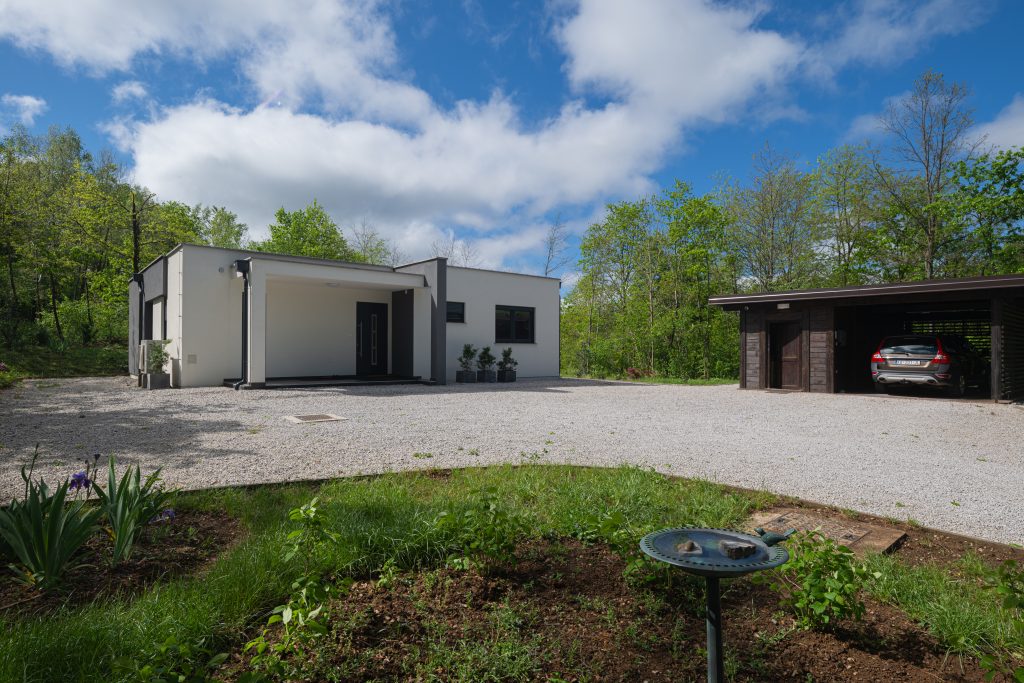
Choosing the right driveway material can influence your property’s appearance, maintenance requirements, drainage, and long-term expenses. A residential gravel driveway offers a natural, versatile look that complements many home styles, from traditional country properties to modern landscapes. However, gravel is not the perfect solution for every property, especially when slope, soil conditions, and weather affect the driving surface. Understanding the advantages, limitations, installation requirements, and upkeep involved can help you determine whether a gravel driveway is a practical investment for your home.
What Makes a Gravel Driveway a Good Option for Homeowners?
Gravel driveways are constructed using loose aggregate spread over a prepared base. Depending on the materials selected and the property’s requirements, the driveway may include several layers of stone designed to support vehicle traffic and create a stable surface.
One reason homeowners choose gravel is its flexibility. It can be installed on a variety of residential properties, shaped to accommodate different layouts, and adjusted as landscaping needs change.
A gravel driveway can be especially suitable for homeowners who want:
- A natural appearance that blends with lawns, gardens, and surrounding greenery.
- A practical driving surface for rural homes, long driveways, or larger properties.
- A driveway material that can be repaired by adding and redistributing aggregate.
- More flexibility in driveway design, width, and layout.
- An alternative to solid paving materials such as asphalt or concrete.
Although gravel can offer these benefits, its performance depends heavily on proper installation. Simply spreading loose stones over existing soil may lead to uneven surfaces, sinking, and drainage problems. A well-prepared foundation is essential for long-term reliability.
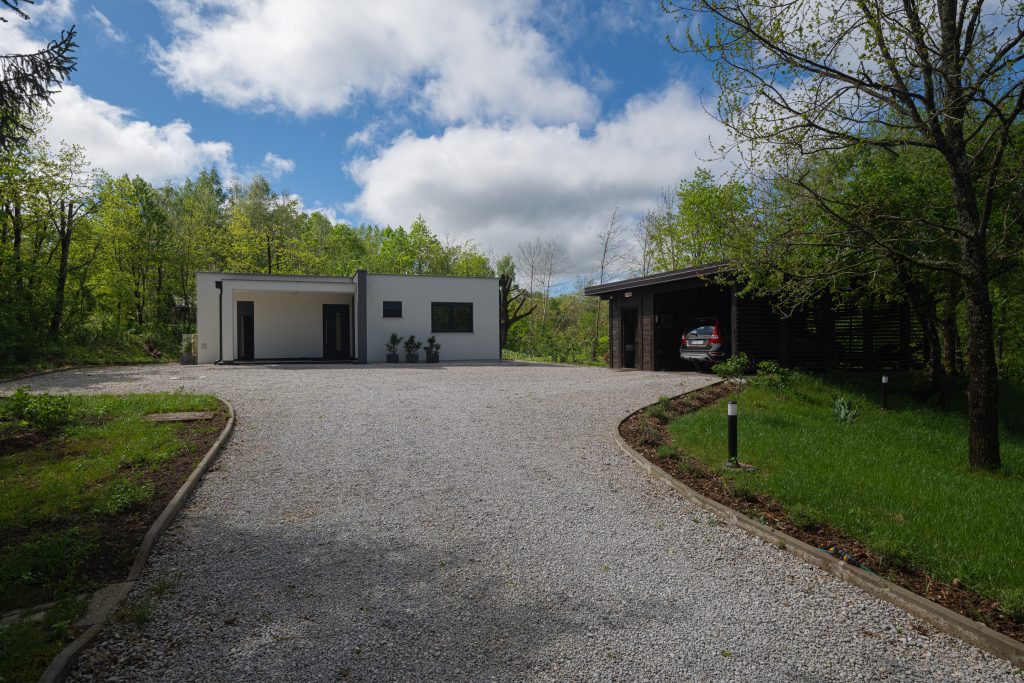
The Benefits of Installing a Residential Gravel Driveway
Before choosing a driveway material, consider how it will perform under everyday use and whether it suits your property’s landscaping needs.
1. Potentially Lower Initial Installation Costs
Gravel is often less expensive to install than asphalt or concrete, particularly for long driveways that require substantial surface coverage. It can also be installed without some of the specialized paving processes associated with solid surfaces.
However, the final cost depends on several factors, including driveway dimensions, excavation requirements, aggregate type, base preparation, equipment access, and drainage improvements.
A property with soft soil or substantial grading requirements may need additional preparation before gravel can be installed successfully. Comparing complete installation estimates, rather than material prices alone, provides a more realistic picture of the investment.
2. A Natural Look That Complements Landscaping
Gravel offers a textured appearance that works well with many residential landscape designs. Homeowners can choose different aggregate colors and sizes to complement exterior siding, stone features, planting beds, and other outdoor elements.
For a cohesive appearance, consider coordinating the driveway with:
- Stone or timber edging that defines the driveway’s boundaries.
- Low-maintenance planting beds along the edges.
- Landscape lighting near entrances and parking areas.
- Decorative stone features that complement the home’s exterior.
- Clear transitions between the driveway, lawn, and walkways.
Thoughtful design can make a gravel driveway look intentional and well-integrated rather than like an unfinished construction surface.
3. Repairable and Adaptable Surface
Unlike a cracked concrete slab, a gravel driveway can often be repaired by addressing localized damage, adding suitable aggregate, and regrading the affected area.
This flexibility can be useful when vehicle traffic creates ruts or when sections of the driveway require resurfacing. However, repeated potholes or persistent sinking may indicate a deeper problem with the base or drainage system.
Correcting the underlying cause is usually more effective than continually adding fresh gravel to the same damaged area.
4. Potential Drainage Advantages
Gravel can allow some water to pass through spaces between stones, depending on the aggregate, compaction, underlying soil, and overall driveway construction. Compared with conventional solid paving, a properly designed gravel surface may help reduce certain types of concentrated surface runoff.
Nevertheless, gravel does not automatically solve drainage problems. Compacted aggregate and fine particles can limit infiltration, while poorly graded driveways may direct water toward garages, foundations, or neighboring properties.
Penn State Extension’s guidance on access road improvements emphasizes the importance of proper surface shape, aggregate selection, compaction, and erosion control. These principles are equally relevant when planning a residential gravel driveway.
What Are the Disadvantages of a Gravel Driveway?
Although gravel can be practical, homeowners should understand the maintenance and usability concerns before making a decision.
Regular Maintenance Is Necessary
Gravel moves under vehicle tires and can gradually develop potholes, loose areas, and uneven sections. Rainfall and runoff may also carry aggregate away, particularly where drainage is inadequate.
Routine maintenance may include:
- Raking or redistributing displaced gravel.
- Filling potholes and correcting shallow depressions.
- Regrading the surface when it becomes uneven.
- Replenishing aggregate when the surface layer wears down.
- Removing weeds, leaves, and other accumulated debris.
The amount of maintenance required depends on traffic, weather, material quality, and the effectiveness of the original installation.
Dust and Loose Stones Can Be Inconvenient
Dry gravel surfaces may generate dust when vehicles pass over them. Loose stones can also scatter into lawns, planting beds, and nearby walkways.
Selecting appropriate aggregate, compacting the surface correctly, and installing suitable edging can help reduce these issues. However, some dust and stone movement may remain part of normal gravel driveway use.
Steep Slopes and Wet Ground Present Challenges
Driveways with significant slopes can experience faster erosion and greater gravel movement. Properties with saturated soil, standing water, or frequent runoff may also require additional drainage measures and a stronger foundation.
In these situations, the contractor should assess the property’s grading and soil conditions before recommending gravel. Depending on the site, another driveway material or a more specialized gravel installation may be more suitable.
How to Build a Gravel Driveway That Lasts
A durable driveway begins with proper site preparation. Material quality matters, but the foundation and drainage design largely determine how well the surface withstands everyday use.
Step 1: Evaluate the Property and Prepare the Ground
The installation area should be assessed for soil stability, slope, existing vegetation, and water movement. Grass, roots, organic debris, and unsuitable soil may need to be removed before construction.
The ground should then be graded and prepared to provide a stable foundation. In areas with weak or consistently wet soil, additional stabilization measures may be necessary.
Step 2: Establish a Stable Base
A properly constructed base distributes vehicle loads and helps prevent the driveway from sinking into the underlying soil. Depending on site conditions, installation may involve a suitable separation fabric and layers of compacted stone.
The exact materials and thickness should be selected according to soil conditions, expected traffic, and the driveway’s intended use.
Skipping this stage can lead to premature damage, even when the finished gravel surface looks attractive.
Step 3: Choose the Right Aggregate
Not all gravel performs equally well. Angular crushed stone generally interlocks more effectively than rounded stones, making it useful for creating a stable driving surface.
A well-graded aggregate containing a range of particle sizes can compact into a firmer surface than uniformly sized decorative stone. The best choice depends on local material availability, drainage requirements, and the desired appearance.
Decorative gravel may be appropriate for certain applications, but it should not automatically replace aggregate selected specifically for structural performance.
Step 4: Grade for Effective Water Management
Water should move away from the driveway surface without creating erosion or directing runoff toward vulnerable areas. A slight crown or suitable cross-slope can help shed water, while ditches, culverts, or drains may be needed where site conditions require them.
Penn State Extension recommends shaping access roads so water does not collect in wheel ruts or become concentrated along the driving surface. Proper drainage can reduce erosion and help limit recurring maintenance.
Step 5: Compact the Finished Surface
After the aggregate is spread evenly, appropriate compaction helps create a more stable driving surface. The process should match the material and installation conditions.
A professional installer can determine the correct equipment, moisture conditions, and compaction approach to help the driveway withstand regular vehicle traffic.
Is Gravel the Right Driveway Material for Your Home?
A gravel driveway may be a practical choice if you value a natural appearance, want a flexible surface, and are comfortable with periodic maintenance. It can work particularly well for rural properties, long residential entrances, and homes where gravel complements the surrounding landscape.
However, it may be less suitable if you need a consistently smooth, low-maintenance surface or have a steep driveway with persistent drainage problems. Homeowners should also consider accessibility, snow removal requirements where relevant, and how loose aggregate will affect everyday use.
The best decision comes from evaluating the entire property rather than choosing a material based on installation cost alone. Soil conditions, drainage, vehicle use, and long-term maintenance expectations should all influence the final design.
Plan a Gravel Driveway That Fits Your Property
A residential gravel driveway can provide an attractive, functional entrance when it is designed around the property’s conditions and installed with the right materials. Proper grading, a stable base, suitable aggregate, and effective drainage are essential for reducing surface damage and keeping maintenance manageable. By considering both the initial installation and the ongoing care involved, you can make a more informed decision about whether gravel suits your home.
Contact Flores Tree Service & Landscaping to discuss your driveway goals, evaluate your property’s conditions, and explore suitable installation options. Our team can help you plan a practical driveway that complements your home, improves access, and supports dependable everyday use.