
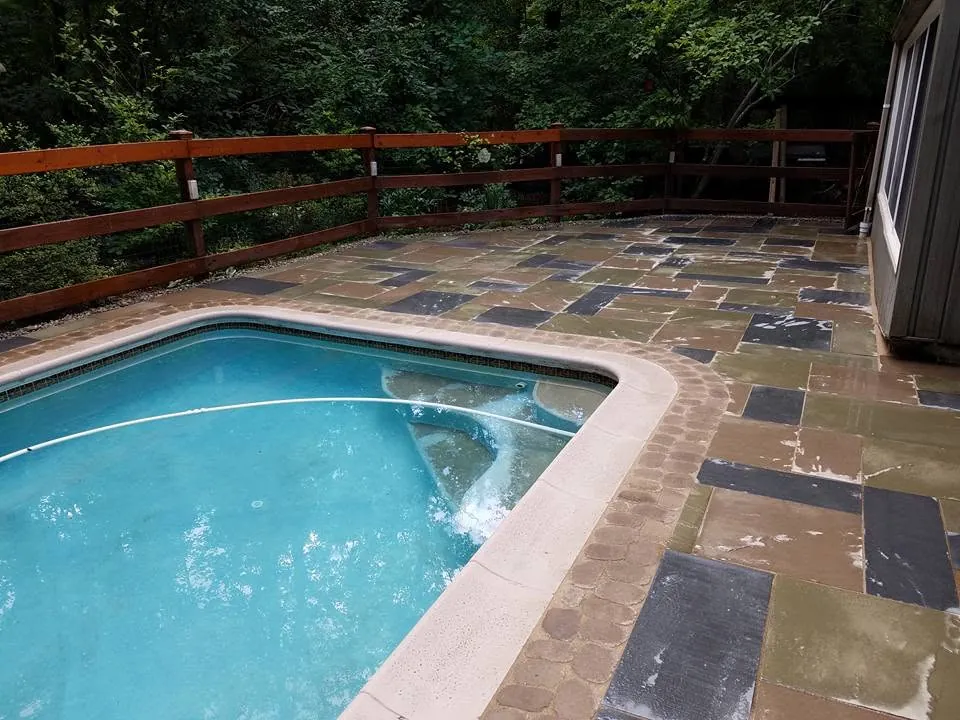
A well-designed pool deck can transform an ordinary swimming area into a comfortable outdoor retreat for relaxing, entertaining, and spending time with family. Choosing the right outdoor pool deck design involves more than selecting attractive materials. The layout, surface texture, drainage, heat resistance, and connection to the surrounding landscape all influence how well the space performs over time. By balancing visual appeal with practical features and long-term durability, homeowners can create a poolside environment that complements their property while supporting safe, enjoyable outdoor living.
What Should You Consider When Planning an Outdoor Pool Deck Design?
Before choosing colors, finishes, or decorative features, consider how you intend to use the pool area. A deck designed for quiet relaxation may have different requirements than one built for frequent gatherings, children’s activities, or outdoor dining.
Start by evaluating the available space, the pool’s shape, the surrounding landscape, and the amount of sunlight the area receives throughout the day. These factors can help guide decisions about materials, seating arrangements, circulation, and shade.
Important planning considerations include:
- Available space: Allow enough room for walking, entering and exiting the pool, and placing outdoor furniture without obstructing access.
- Household activities: Consider whether you need space for lounge chairs, dining furniture, outdoor showers, or entertainment areas.
- Sun exposure: Materials exposed to intense sunlight may become uncomfortable underfoot, making heat management an important design consideration.
- Drainage conditions: Plan the deck’s slope and drainage features to prevent persistent puddles and direct water away from vulnerable areas.
- Landscape integration: Coordinate the deck with existing patios, gardens, retaining walls, fencing, and other outdoor features.
Planning these details early can prevent costly adjustments and help ensure the finished deck meets your property’s practical needs.
Choosing Pool Deck Materials That Balance Style and Performance
The material you select has a major influence on the deck’s appearance, comfort, maintenance requirements, and service life. Each option offers different advantages, so the best choice depends on your climate, budget, design preferences, and intended use.
Concrete for Versatile Pool Deck Designs
Concrete is a popular option because it accommodates many shapes, finishes, and design styles. It can be brushed for texture, stamped to create decorative patterns, or colored to complement the home’s exterior.
Potential advantages include:
- Flexibility in creating custom layouts and shapes.
- Options for decorative finishes and coordinated colors.
- Compatibility with modern, traditional, and minimalist landscapes.
- A continuous surface with relatively few joints compared with some individual-unit materials.
However, concrete can crack due to ground movement, poor installation, temperature changes, or inadequate joint placement. Some finishes can also become slippery when wet, while darker surfaces may absorb considerable heat. Proper base preparation, suitable surface texture, drainage, and appropriate joint design are important for performance.
Natural Stone for a Refined Outdoor Appearance
Natural stone can create an elegant poolside setting that blends with established landscaping. Depending on the stone type and finish, it can complement everything from rustic gardens to contemporary outdoor spaces.
When considering stone, evaluate its slip resistance when wet, surface texture, porosity, and expected maintenance requirements. Some varieties absorb more water or require periodic sealing, while others may become hot under direct sunlight.
Request material samples and, where possible, evaluate the actual finish rather than choosing based on appearance alone. Two stones with similar colors can perform differently around a swimming pool.
Pavers for Flexible Installation and Repairs
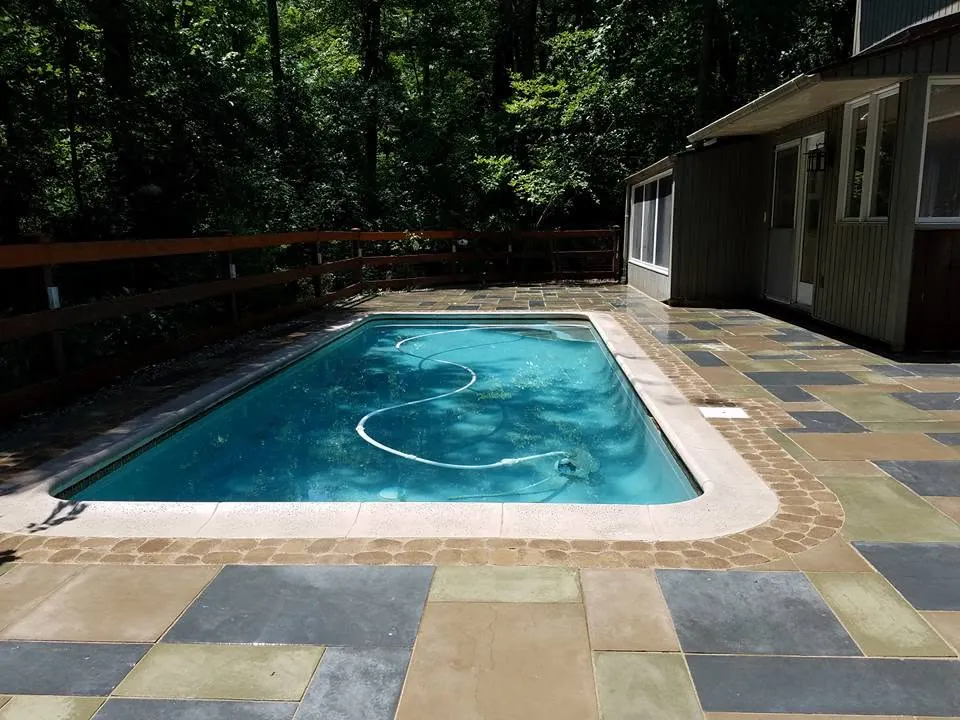
Concrete pavers and suitable natural stone pavers offer another option for pool decks. Individual units can create geometric patterns, borders, and contrasting design features.
One practical benefit is that localized repairs may be easier because individual pavers can be lifted and replaced. However, the base must be properly prepared to limit settling, shifting, and uneven surfaces. Joint materials and edge restraints also help maintain the installation’s stability.
Pavers are particularly useful when homeowners want to coordinate the pool deck with an existing patio, garden path, or outdoor entertaining area.
Wood and Composite Decking for a Warm, Natural Look
Wood can create a welcoming poolside atmosphere, especially when paired with greenery and outdoor furniture. Composite decking offers an alternative designed to reduce some of the routine maintenance associated with traditional wood.
Neither option should be selected on appearance alone. The decking system must be suitable for wet environments, provide appropriate slip resistance, and allow water to drain effectively. Wood may require cleaning, sealing, staining, or board replacement, depending on the species and exposure. Composite products vary in heat retention, surface texture, and maintenance needs.
Always verify that the specific product and installation system are appropriate for the intended poolside application.
How Can You Make a Pool Deck Safer and More Comfortable?
A beautiful pool deck should also support safe movement in wet conditions. Water, sunscreen, algae, and debris can reduce traction, making surface selection and routine maintenance essential.
Prioritize Slip Resistance
Choose a surface with documented slip-resistant performance suitable for wet barefoot use. Highly polished finishes may look attractive but can create hazards when wet.
Ask your contractor or supplier about the material’s intended application, tested performance, and recommended cleaning procedures. Keep in mind that no surface is completely slip-proof, particularly when contaminated with algae or oily substances.
Other helpful safety measures include:
- Keeping walking routes clear of furniture, toys, and equipment.
- Providing adequate lighting around steps and changes in elevation.
- Using visible edge markings or contrasting finishes where appropriate.
- Maintaining secure handrails and compliant pool barriers.
- Following applicable local swimming pool safety and building requirements.
Manage Surface Heat
Pool decks can become uncomfortable under direct sunlight, particularly when constructed with materials that absorb and retain heat.
Lighter-colored finishes may reflect more sunlight than darker alternatives, although actual surface temperatures depend on the material, finish, weather, and exposure. Before making a final decision, ask about the product’s performance in hot conditions.
Shade can also improve comfort. Pergolas, umbrellas, strategically placed trees, and other suitable shade structures can create cooler areas for relaxing between swims. Position these features carefully so they do not obstruct access, introduce excessive debris into the pool, or conflict with pool safety requirements.
Why Drainage and Installation Quality Matter
Drainage is one of the most important elements of a durable outdoor pool deck. Water that collects on the surface can contribute to slippery conditions, staining, algae growth, and deterioration of certain materials. Poor drainage may also affect nearby foundations, landscaping, and pool structures.
Plan the Surface Slope Carefully
The deck should be graded to move water away from the pool and surrounding structures in accordance with the pool design and applicable requirements. Drainage must also account for where the water will go after leaving the deck.
Depending on the site, the installation may require surface channels, area drains, or other drainage features. Discharging water toward a house, neighboring property, or unstable slope can create additional problems.
Prepare a Stable Foundation
A durable deck starts beneath the visible surface. The required base preparation depends on the selected material, soil conditions, groundwater, expected loads, and local climate.
For concrete installations, proper reinforcement where specified, control joints, curing, and construction practices can influence performance. Paver systems need suitable base materials, compaction, and edge restraints. Decking systems require appropriate structural support, spacing, and fastening.
Hiring an experienced contractor can help identify site-specific concerns before construction begins.
Designing a Pool Deck That Complements Your Landscape
The best pool deck designs feel connected to the rest of the property rather than isolated from it. Coordinating materials, colors, planting areas, and outdoor furniture can create a more cohesive outdoor environment.
Create Defined Areas for Different Activities
If space permits, consider dividing the deck into practical zones. A lounge area near the pool can support relaxation, while a separate dining space can accommodate meals and gatherings.
Maintain clear circulation between these areas and the pool entrance. Avoid overcrowding the deck with furniture, especially near steps, gates, ladders, and other access points.
Incorporate Landscaping Thoughtfully
Plants can soften hard surfaces, add seasonal interest, and provide privacy. However, choose varieties that are appropriate for the climate and pool environment.
Consider plants that produce limited leaf litter, have manageable root systems, and tolerate the site’s sunlight and moisture conditions. Position trees and shrubs carefully to reduce root conflicts, excessive shade, and debris falling into the water.
Decorative planters, low-maintenance planting beds, and coordinated edging can also introduce greenery without overwhelming the deck.
Add Lighting and Comfortable Features
Outdoor lighting can extend the usefulness of the pool area into the evening. Low-glare fixtures can illuminate paths, steps, and seating areas while helping preserve a comfortable atmosphere.
Weather-appropriate seating, storage for pool accessories, and designated towel areas can further improve everyday convenience. Electrical fixtures and installations near pools must meet applicable safety codes and be installed by qualified professionals.
How to Maintain Your Pool Deck for Long-Term Durability
Even high-quality materials need regular care. A consistent maintenance routine can help preserve the deck’s appearance, reduce hazards, and identify small problems before they become more expensive to address.
Recommended maintenance includes:
- Sweeping away leaves, dirt, and other debris.
- Cleaning surfaces with products approved for the selected material.
- Removing algae and organic buildup using appropriate methods.
- Inspecting for cracks, loose pavers, uneven boards, or deteriorating joints.
- Checking drainage channels and keeping them clear of obstructions.
- Reapplying sealers or protective finishes when recommended by the manufacturer.
Avoid using harsh chemicals or aggressive pressure washing unless the material and manufacturer guidelines permit them. Incorrect cleaning methods can damage finishes, loosen joint materials, or affect nearby landscaping.
If you notice significant movement, recurring water accumulation, or widening cracks, have the affected area evaluated to determine whether the issue involves the surface, foundation, or drainage system.
Build an Outdoor Pool Deck That Works for Your Home
A successful outdoor pool deck design combines attractive materials with thoughtful planning, dependable installation, and practical maintenance. Slip resistance, surface temperature, drainage, and structural stability deserve as much attention as color, pattern, and landscaping. When these elements work together, the result is a poolside space that supports comfortable outdoor living and complements the home’s overall design.
Before starting your project, consult an experienced landscaping and hardscaping contractor to evaluate your property, compare suitable materials, and plan a layout around your needs. Contact Flores Tree Service & Landscaping to discuss your outdoor living goals and explore professional landscaping and hardscaping solutions that enhance your property’s functionality, appearance, and long-term value.